


Priorities for modern consumers have shifted, making kindness and empathy the key to consumer trust, loyalty and sustained market growth. The Millennial generation is the largest in history and has unprecedented buying power. This consumer group has a different set of values than the generations before them; they want a job that they are passionate about, and they view their consumer choices as a mechanism to support movements and make change. Their concept of identity is intertwined with consumerism, where buying products and supporting brands is a form of self-affirmation.
Today, consumers have a more positive view of a company when it supports a social cause. As brands try to capture consumers’ attention, there has been a shift from seeking engagement to earning public approval. Making quality products or supplying quality services is no longer enough; brands need to benefit society. Successful brands of the future must be virtuous. And the most successful retail brands will have store experiences that reflect these values.
What do we mean by virtuous?
Virtuous is conforming to moral and ethical principles. A virtuous brand drives towards a high standard of moral excellence. Being virtuous comes from a place of sincerity. Doing something to appease public opinion or seek profits is not virtuous. This is a thin line that many brands cross.
Virtuous brands do good things because it’s an extension of their brand DNA. There is no playbook for what is considered virtuous. Acts of virtue that follow a script are contrived and inauthentic. Truly virtuous brands act because they feel it is the right thing to do, irrespective of judgment or profits. They are virtuous because what they are doing is true to their brand ethos. They act regardless of their competitors, and are often trailblazers that others eventually follow.
Why do we need virtuous brands?
We need brands to be virtuous because brands have power and wield influence. Modern society looks to brands for moral and ethical leadership. Today, brands are replacing politics and religion as moral pillars that we trust and seek guidance from.
Global brands can wield their power to make large-scale change. Brands can improve working conditions and workers’ rights. They can change employment and pay inequalities. They can choose to be sustainable. Society used to turn to governments, interest groups and activists to make positive changes, but now consumers have a direct relationship with brands. As consumerism has become a key pillar of society, it’s no surprise that we turn to big businesses to effect change. Brands can take a stance, but they also tell stories and engage us in the process. Brands don’t have to please everyone, they can take sides and choose who they want to please.
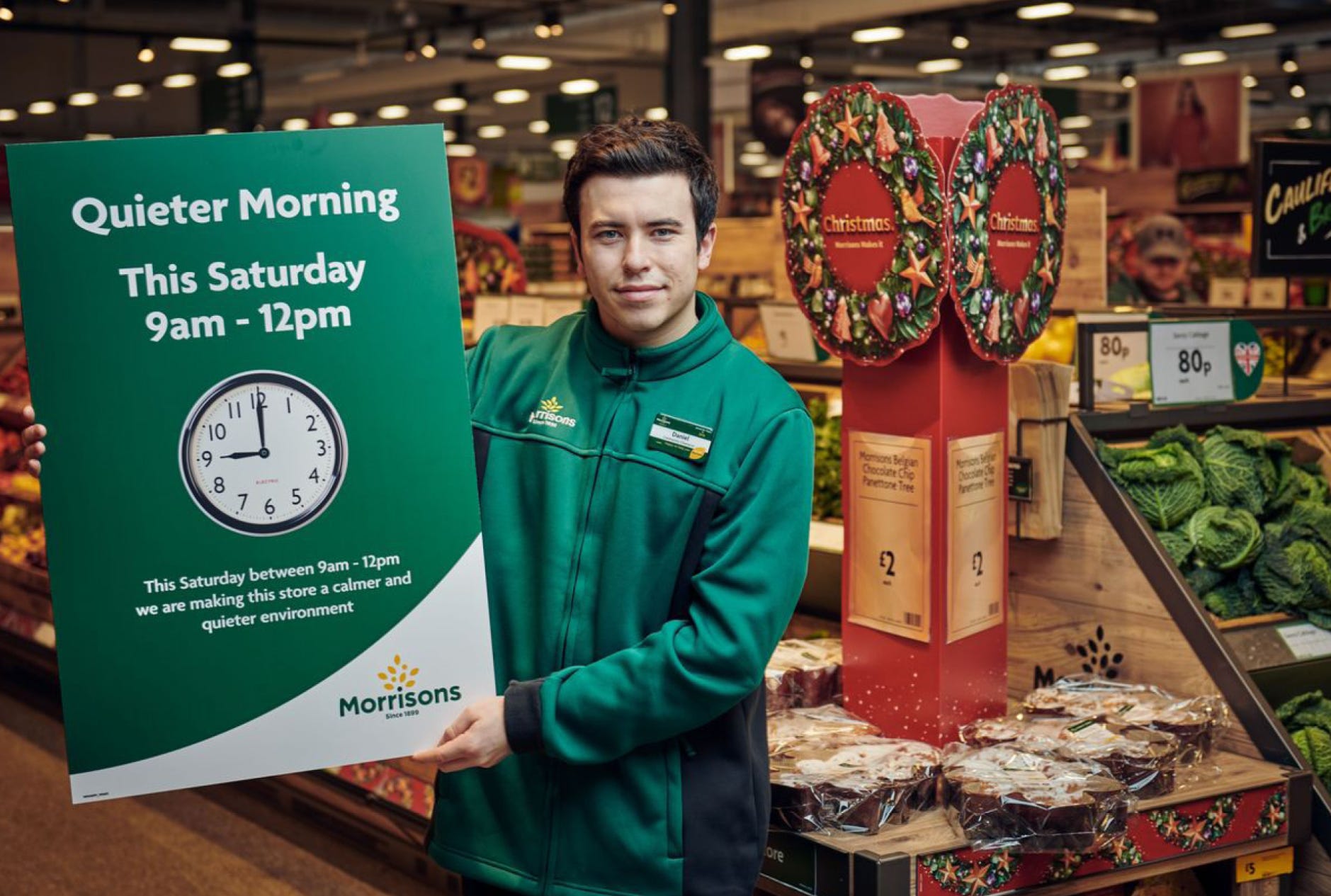
British supermarket chain Morrisons launched an initiative to provide a shopping environment for neurodivergent customers, which has since been followed by other retailers such as B&Q, Tesco, Lidl and Asda. Once a week, Morrisons ‘Quieter Hour’ provides an altered store experience that is more comfortable for autistic shoppers. Environmental stimulants that would otherwise be off-putting for autistic customers are removed; lights are dimmed, check-out sounds are turned off, and there are no store speaker announcements, providing an altered store experience that is more considerate of this consumer group. This was an initiative that Morrisons had no legal obligation to make, yet they chose to make a positive contribution to people disadvantaged in their community.
Virtuous brands inspire people
Virtuous brands show ambition; they have an admirable desire for achievement that inspires people over the long term. They lead from the front and motivate consumers to actively contribute to causes beyond themselves. We need virtuous brands to bring social issues to the forefront of people’s minds by using their stores (and other brand touchpoints) to highlight agendas and educate consumers. It’s not always the case that brands are fighting causes that are on the current news agenda or that their customers deem important. Brands can raise consumer awareness on issues. Such is their power and importance in society. Customers visiting a Toms’ shoe store, or buying Tom’s shoes, will become aware of the social needs of poverty-stricken societies, and customers visiting an Ecoalf store can become educated about ocean pollution.


Virtuous brands help individuals be themselves
They allow customers to actualise their own self-concepts by aligning themselves with the brand. A person who defines themselves as someone who believes in a sustainable way of life and deeply cares about environmental issues will reaffirm their own self-concept by purchasing a coat from Patagonia. The brand set up a ‘Repair Center’ with over full-time repair technicians, which helps keep over 50,000 well-loved items out of landfill each year - The ambition? To repair 100,000 garments per year by 2028. This is in addition to the DIY kits they supply to consumers, allowing them to make small repairs at home. Another initiative is their Worn Wear collection of recycled Patagonia clothing and the backpacks they make from recycled plastic bottles.
Brands that have meaning attached to them, that people align themselves with, often provide people with a sense of fulfilment. This is the power of brands in the modern age. Consumer products have always provided a sense of fulfilment on different scales, but today brands can also provide consumers with moral fulfilment. They have the ability to fulfil what Maslow, in his hierarchy of needs, referred to as ‘self-actualising’ goals.


Virtuous brands establish a connection with the community
They are part of something larger than themselves and act selflessly. Virtue is socially beneficial by nature. What’s good for the community is good for the individual, and equally, what is good for the individual is often good for the greater society. This is what makes the public trust virtuous brands.
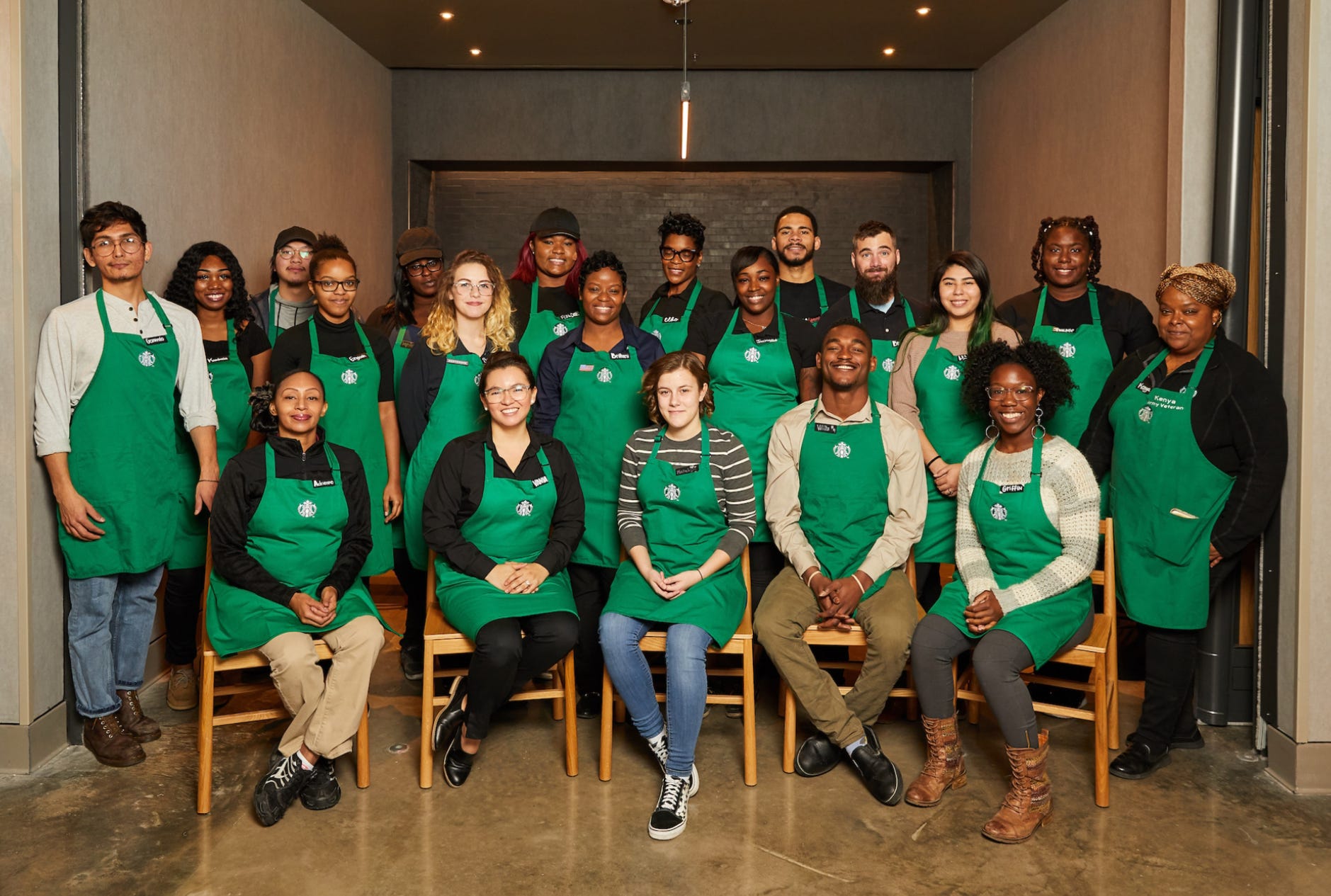
Starbucks Community Stores aim to open in underprivileged neighbourhoods to play a positive role in the community. The stores support local economic development and provide employment and training for local youth, they hire local contractors and provide unique in-store training events and programmes. With 150 Community Stores opening since 2015, Starbucks is committed to opening a total of 1,000 ‘community stores’ by 2030.
Virtuous brands take a stand, despite the risk
Being virtuous allows a brand to stay present, evolve with public movements and remain contemporary. Human beings are constantly developing a collective sense of morals and ethics to hold one another accountable. A single act that is good or ethical is a moment in time, but the desire to be good is something that evolves over time as society does.
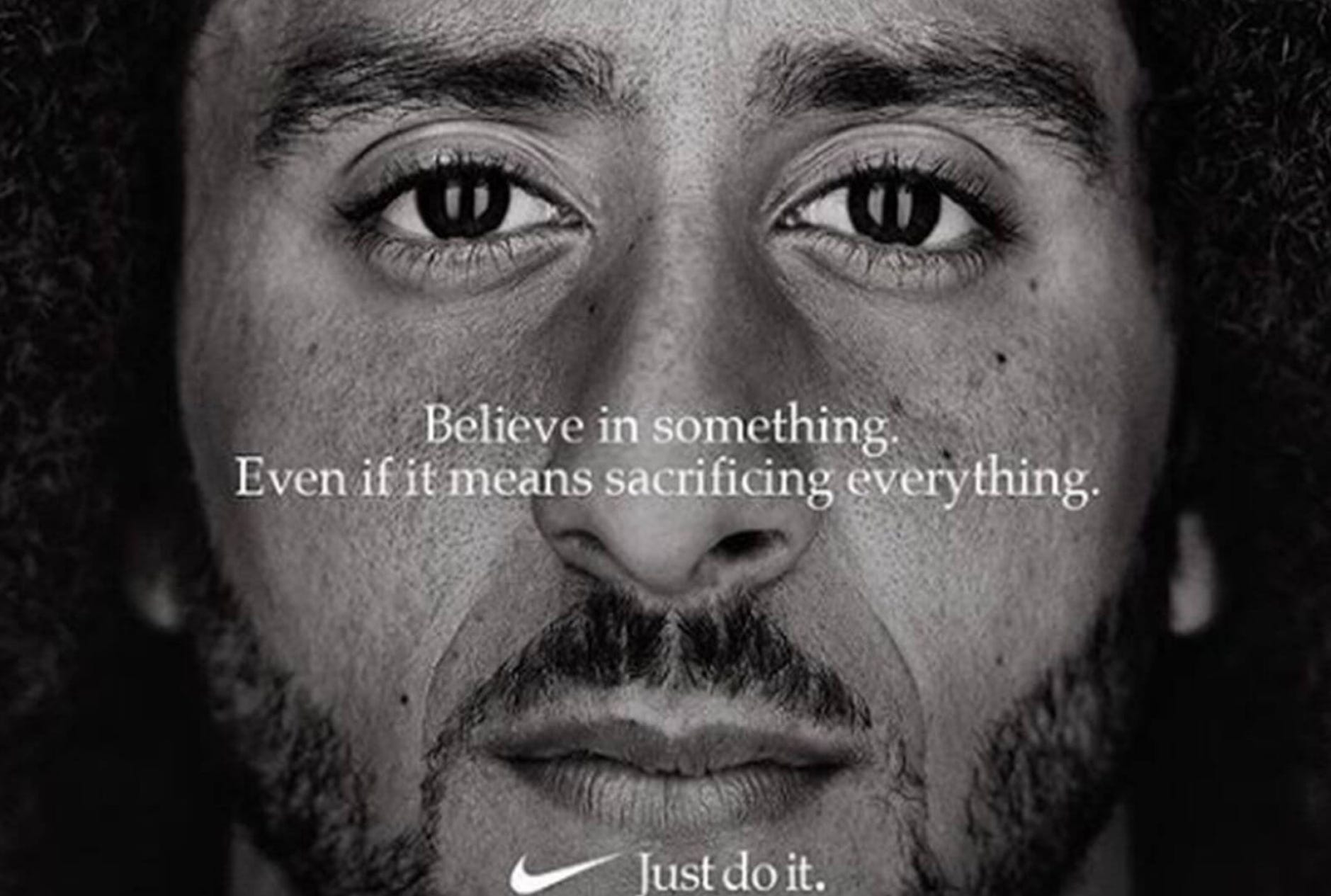
Nike has a history of supporting social issues ahead of other brands. Their support of American civil rights activist, Colin Kaepernick was consistent with the brand DNA rather than a reactive moment. In 1988 the ‘Just Do It’ campaign fought against ageism. In 1995 the ‘If you let me play’ ad supported gender equality in sport, the same year their ‘Just Do It’ ad featured openly HIV-positive runner Ric Munoz. In 2007 they featured a disabled athlete Matt Scott in a ‘No excuses’ ad campaign to support disabled sport. In 2017 they celebrated Arab women in sport with their ‘What will they say about you’ campaign, and in more recent years we have seen ‘plus size’ female mannequins and mannequins with prosthetic limbs included in their stores. 2021 saw Nike setting ambitious and purposeful targets for 2025 against their focus areas of People, Planet and Play - their progress to date can be seen here https://about.nike.com/en/mission. And for the first time, that accountability now includes linking executive compensation to their purpose goals.
Virtuous brands take accountability
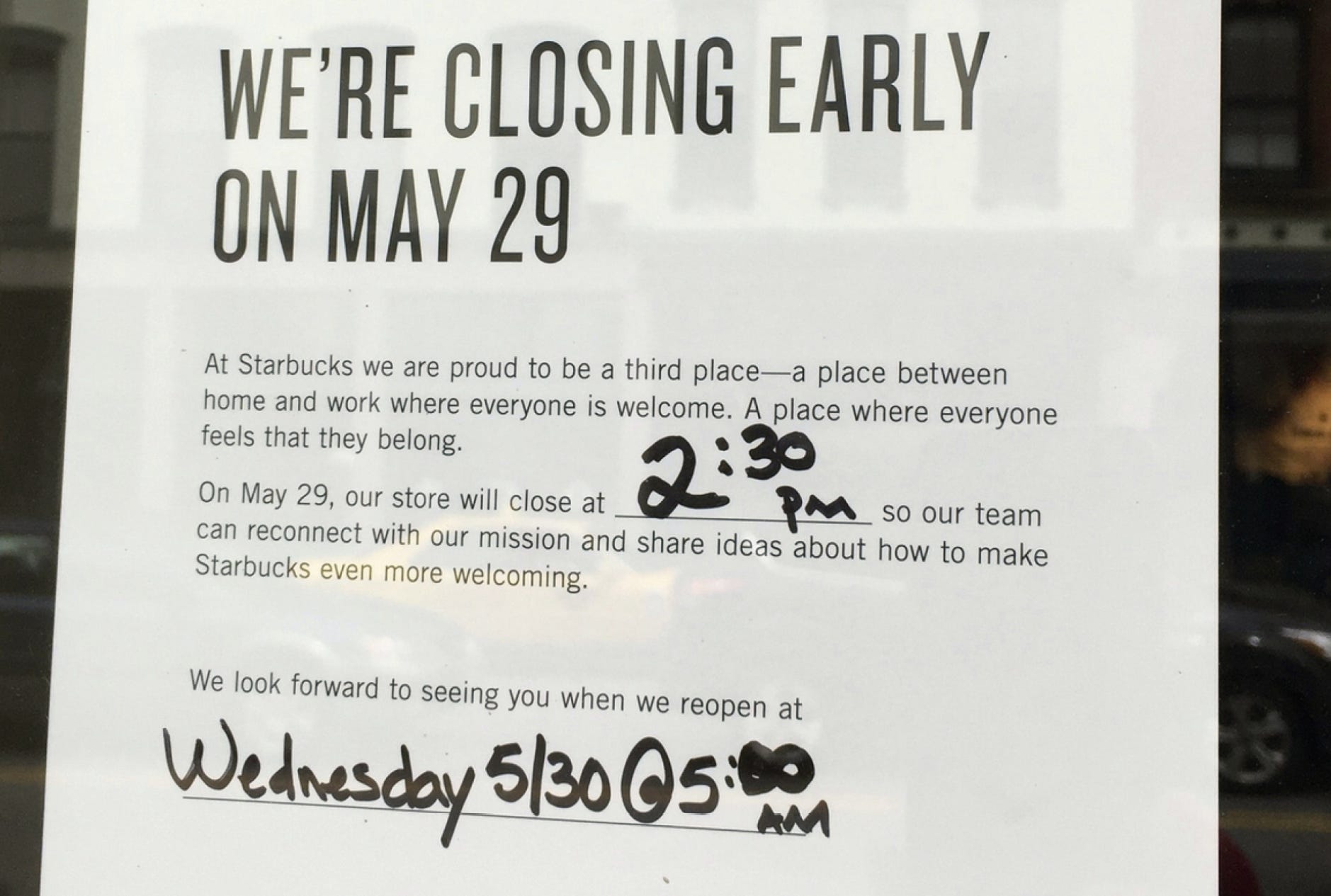
This often means engaging with consumers and taking ownership, admitting faults and striving to improve. This is an inevitable part of growth and evolution. Accountability is important for a society that fears losing power. An organisation that isn’t held accountable is untouchable and has no incentive to be empathetic to others. Accountability builds trust with customers, as we saw when Starbucks showed accountability in their response to an incident of racial prejudice in a Philadelphia store. After they admitted fault, all stores were closed for a day while 180,000 staff were enrolled in implicit bias training. What started off as a negative brand association has become a brand that takes its responsibility to serve the community very seriously.
It is particularly promising to see businesses turn to external sources that hold them to independent standards and value their commitment to others. B Lab is a non-profit organisation that provides ‘B Corporation’ certification to for-profit businesses. Any certified ‘B Corp’, as they are known, is valued by their positive social and environmental impact, receiving a score across multiple dimensions that assess the business governance, the impact and treatment of workers, and the impact on the community and environment. B Corps, such as retail businesses Allbirds, Patagonia, Veja, Aesop, Warby Parker and Toms (to name but a few), voluntarily submit to a transparent impact assessment that can be viewed on the B Corporation website. These businesses accept the responsibility they have as global businesses and hold themselves accountable for their own performances and practices.


Virtuous brands don’t just inspire customers, they inspire staff too
The virtuous nature of a brand is embodied by store staff and their interactions with customers. This makes the brand characteristics infectious and authenticates its true nature and motives. Staff who believe in the brand they work for are happier, more enthusiastic and more productive. Staff who are authentic brand ambassadors are key to delivering a great customer experience while also providing a more effective workforce with lower turnover. Virtuous retailers can create a deeper level of job satisfaction that other retailers don’t provide. Giving someone purpose through their work that extends beyond the store and into the community is a powerful thing. It touches our deeper psychosocial needs of belonging.
Why does it matter? What are the results?
There are many ways to gain consumers' trust. Some brands offer quality or consistency, yet virtuous brands offer an authentic desire to do good. This can be a precarious strategy to win trust; however, the rewards for philanthropic brands are becoming obvious as more brands engage in socially conscious behaviours. Brands with a clear sense of purpose have increased their brand valuation by 175% over a 12 year period1. Nike has seen sales and market share grow after each socially conscious campaign. Their endorsement of Colin Kaepernick saw online sales rise 31% in the two days following, while company shares rose 33% that year2. The biggest benefit to being a virtuous brand is the deep level of connection with consumers. This turns periodic sales into loyal customers. A 5% increase in customer retention can lead to a 25-95% increase in profit3.
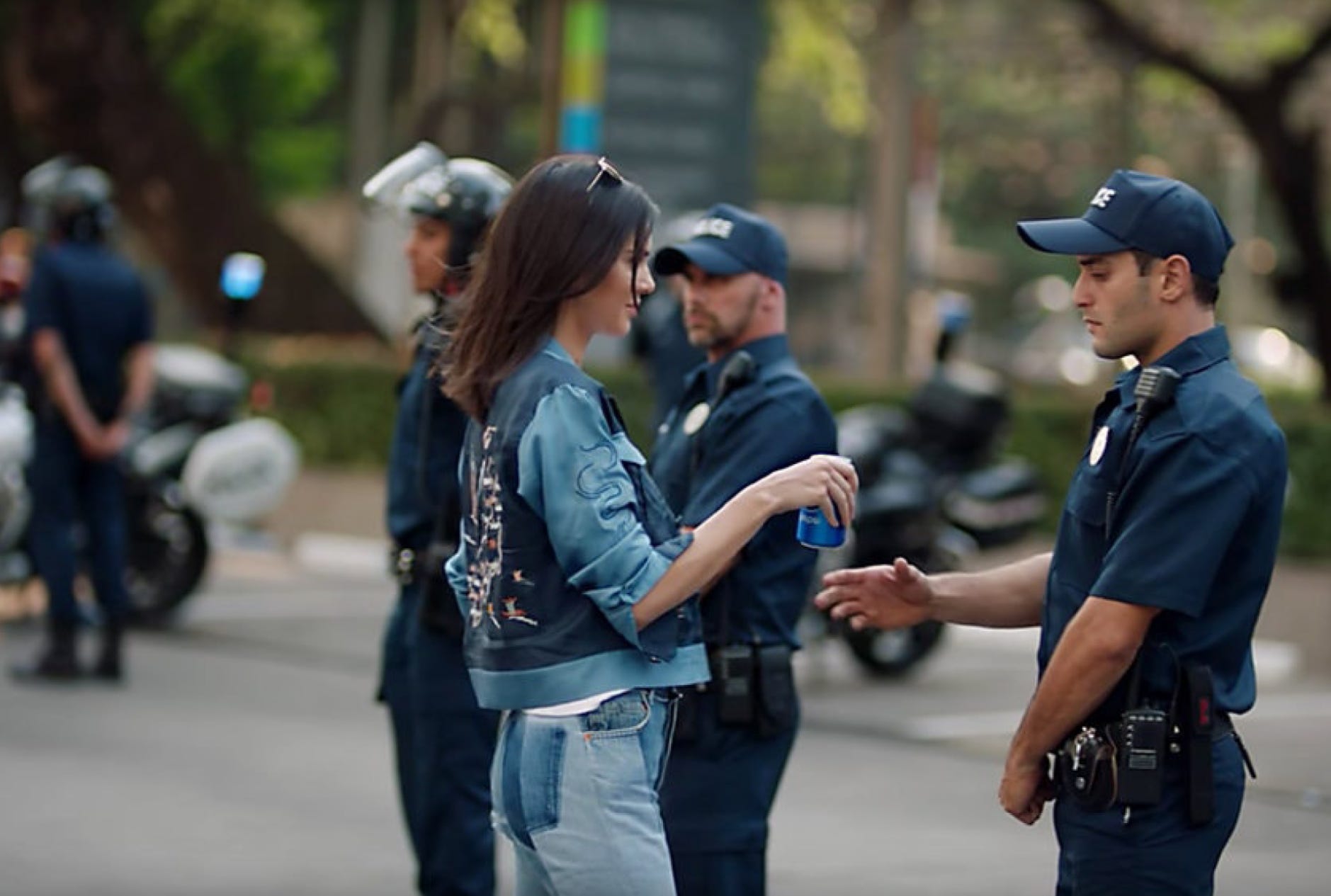
On the other side of the line, perceptions of faux philanthropy can be a tough hole to get out of. There is a huge difference between being virtuous and virtue signalling. Pepsi’s infamous Kendal Jenner ad should be a lesson for all brands. The brand tried to piggyback off the Black Lives Matter movement with disastrous results. Pepsi’s brand perception dropped to an eight-year low among Millennials over the months following the campaign4. The key is to be authentic. Virtuous acts should come from a place that’s unrelated to profits. Chasing profits under the guise of activism will likely end badly. It’s suggested that 71% of consumers will lose trust in a brand forever if they perceive that the brand is prioritising profit over people. We see consumers opting for brands that they believe are both competent and ethical. Trust is hugely important, it is the bedrock to unlocking deeper, more meaningful connections between brands and consumers.5
There are many faces to virtue and many types of virtuous acts. In reality, it is very difficult to be a truly virtuous brand. No brand is perfectly selfless, just as no person is. Many brands that do great things (some mentioned in this article) also engage in acts of obvious self-interest. This is to be expected, after all, they are commercial enterprises first and foremost. Virtuous brands have to pick their battles and decide how they give back. Naturally, some causes will have more social currency than others, but this shouldn’t determine how any brand decides what social cause they fight for. This would be acting with interest in profits. It needs to be authentic. It needs to come from an internal desire to use their platform and influence to do good.


Is your retail environment the best place to show your virtues?
Visiting physical retail stores is a commonplace activity for most of us in modern society; therein lies their power to enact change and have a real impact. It’s important that brands go beyond mere signalling and connect virtuous behaviour to an action. The growing number of virtuous brands is certainly encouraging to see, but we can’t help but think there is a missed opportunity within retail design.
Virtuous brands primarily communicate with customers via ad and social campaigns, but social causes are not conveyed effectively in retail stores. This means brands aren’t using their most engaging medium to translate ideas and make an impact. The multi-sensory nature of store experiences creates the ability not only to evoke more emotion, but also to create a lasting memory. Retailers have the capacity to involve customers and communicate through in-store experiences. With the famous proverb in mind “Tell me and I’ll forget, show me and I’ll remember, involve me and I’ll understand” retailers need to use interaction and active participation in their stores, as they are the most powerful ways to understand something.
If brands use social causes to connect to customers and communities, and retail stores are the ultimate point of customer connection, it makes sense for social causes to feature heavily in physical retail, the domain of communal places for social experiences. This is the new challenge for virtuous brands and the next logical step for experiential retail in a socially conscious society.
PHOTO CREDITS
1 Kantar Purpose Report
2 CBS News
3 Harvard Business Review, July-August
4 YouGov
5 Edelman, Brand Trust Report
Curious about how Quinine helps organisations turn retail strategy into physical experiences?