

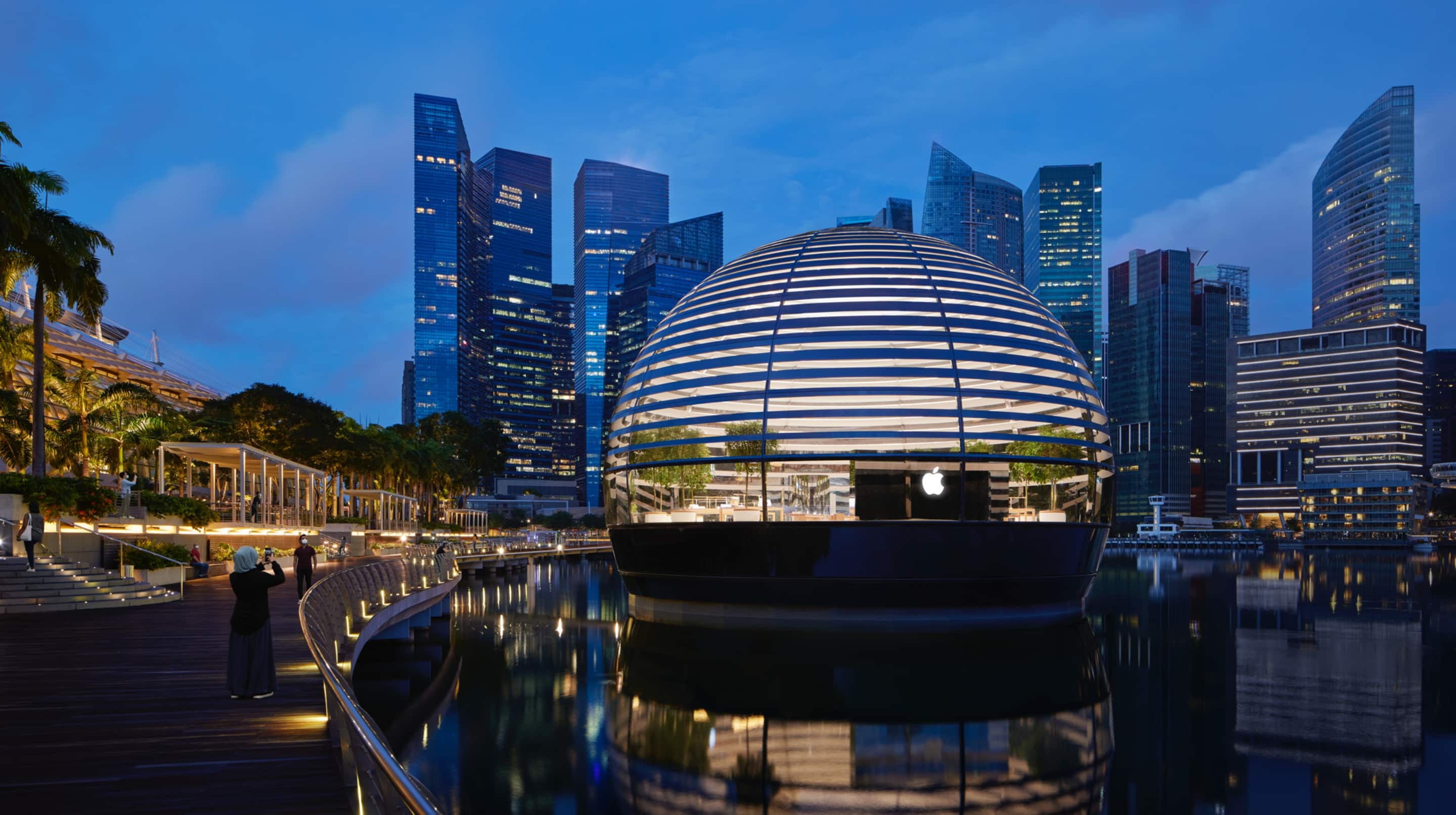
In today’s constantly evolving retail landscape, do brands have a comprehensive understanding of how their investment in physical retail affects their business’s future performance? Savvy retailers are seeing retail design not as a cost but as a hidden asset that drives brand value, customer engagement, and long-term growth.
So, why should you invest in Physical Retail?
In the labyrinthine corridors of corporate decision-making, it’s astonishing how the simplest of concepts can be lost to the imperfect lens of KPIs, but this is where businesses and senior leaders are. Even in today’s retail landscape, characterised by a blend of digital and physical shopping experiences, with a strong emphasis on ecommerce, omnichannel strategies, and personalised customer engagement, if your KPIs measure physical retail purely as a sales channel, this narrow lens makes it difficult to justify increasing investment in the physical store environment, particularly the intangible aspects of a store fit, even though these often have the greatest impact on consumers perception of a brand.
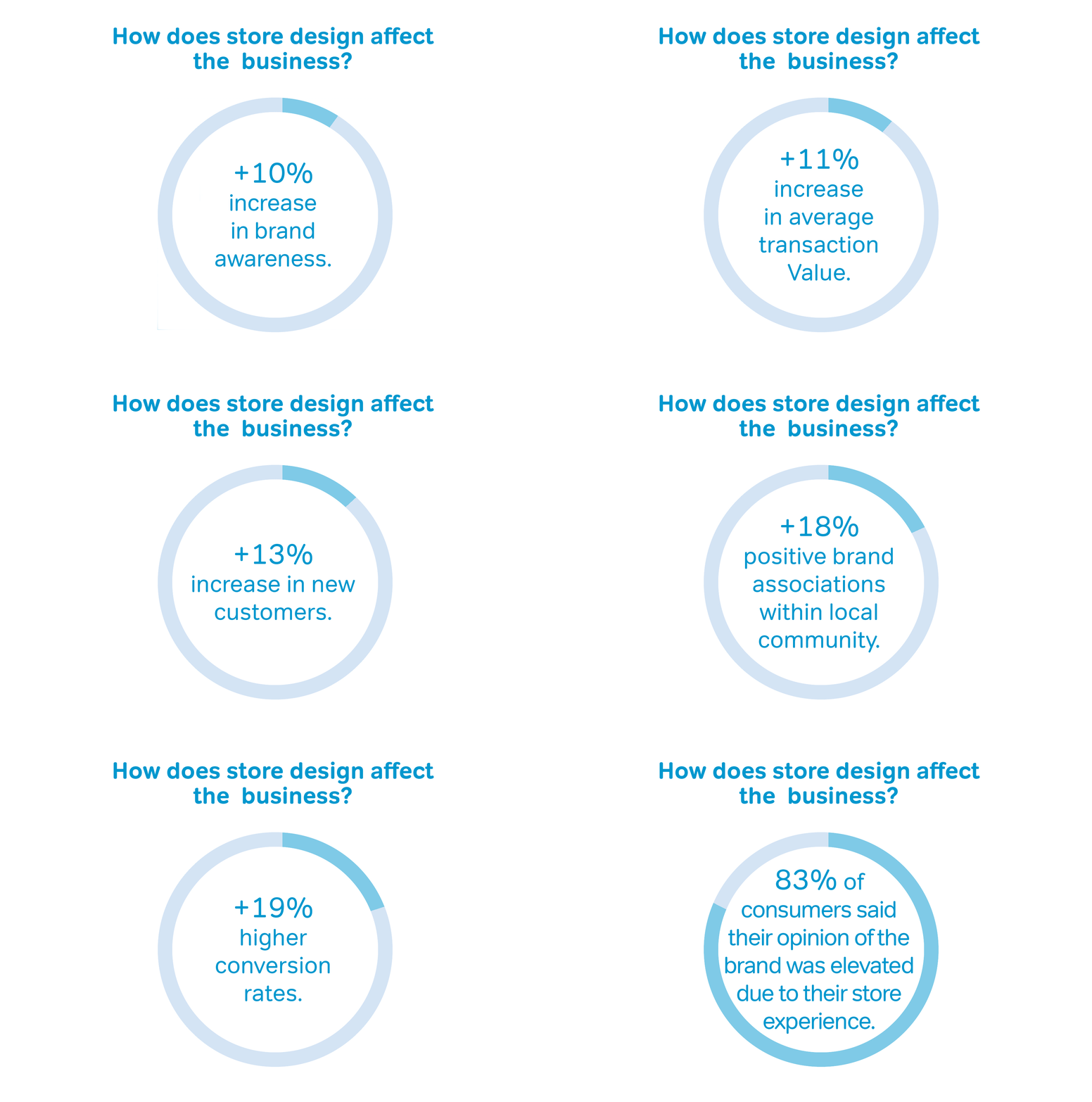
Imagine a world where investing in your store’s physical environment is akin to spinning straw into gold. This is no fairytale; numerous academic studies provide compelling evidence that the emotional reaction a consumer experiences when visiting a store significantly shapes their perceptions of a brand and, therefore, their ongoing purchasing intentions.
Breaking free from short-term thinking
Yet, despite all the persuasive evidence linking immersive retail experiences to increased dwell time, emotional engagement, and ultimately product purchases, convincing senior leaders to allocate budget to physical retail enhancements remains an uphill battle. Why is this? While almost all Retail Directors and Design Leaders concur that a well-crafted in-store environment amplifies brand loyalty and customer connection, translating into higher sales and enhanced shareholder value. The crux of the issue lies in shifting the perception from viewing these investments as mere expenses to recognising them as long-term value drivers which positively affect the lifetime relationship consumers have with a brand.
There is a delightful quirk of human psychology at play here. Much like the individuals who run them, businesses are notoriously inclined towards shorter-term results. We constantly face this paradox in various aspects of life. Consider the allure of junk food despite its impact on our long-term wellbeing. We understand the trade-off, yet our psychology often leans towards immediate gratification. Similarly, businesses chase short-term gains—quarterly reports, this year’s P&L statements, etc. It requires a visionary leader to stomach a significant short-term loss and face the shareholders’ wrath for the sake of long-term prosperity.

So, how do we break free from these psychological shackles? How can we coax businesses into seeing beyond the immediate and scale up their thinking to encompass the broader picture? That’s the real question worth solving.
The Real Question: What Does $3 Million Buy You Today?
We find ourselves repeatedly trying to demonstrate the tangible benefits of investing in physical retail spaces. However, we often face the paradox of tightening budgets and shrinking margins. One client candidly remarked, “We don’t sell from the ceiling.” And indeed, convincing a CFO to see the value in enhancing store aesthetics can feel like selling sand in the Sahara. Yet, a mindset shift is crucial. The impact of a store environment often seems intangible, demanding a fresh perspective on its value and impact.

A Thought Experiment in Brand Building and Shareholder Value
Let’s reframe this debate. In the grand theatre of brand building, customer engagement, and shareholder value, what does a $3 million expenditure truly get you? How does this compare when spent on advertising versus physical store improvements? Consider this: our current ceiling budget for a store stands at a modest $5 per square foot. Imagine increasing this investment by $10, to $15 per square foot. What is the potential return on this additional spend?
For a 3,000 sq.ft. store, this equates to an additional $30,000 per store, multiplied across 100 stores, culminating in a $3 million investment. Now, let’s crunch the numbers.
The Unseen Reach of Physical Store Enhancements
One store sees 6,000 visitors per month, totalling 72,000 annually. With each visitor spending around 30 minutes in the store, this results in 2,160,000 minutes of exposure per store annually. Across 100 stores, this translates to 216 million minutes of exposure per year. Over a seven-year period, the typical lifecycle of a retail store, this amounts to a staggering 1.51 billion minutes of exposure. Breaking it down, the cost per minute of exposure is a mere $0.002.
Let’s then consider the vaunted 30-second TV advertisement during the NBA finals. Just securing the media slot will cost you a hefty $2.5 million. Throw in production costs, and you’re staring down a $3 million spend. For that princely sum, you might capture the attention of 8 to 15 million viewers—assuming they don’t dash off for a drink during the break. But here’s the kicker: not every viewer is your target customer. Many are just there for the basketball, blissfully indifferent to your brand.
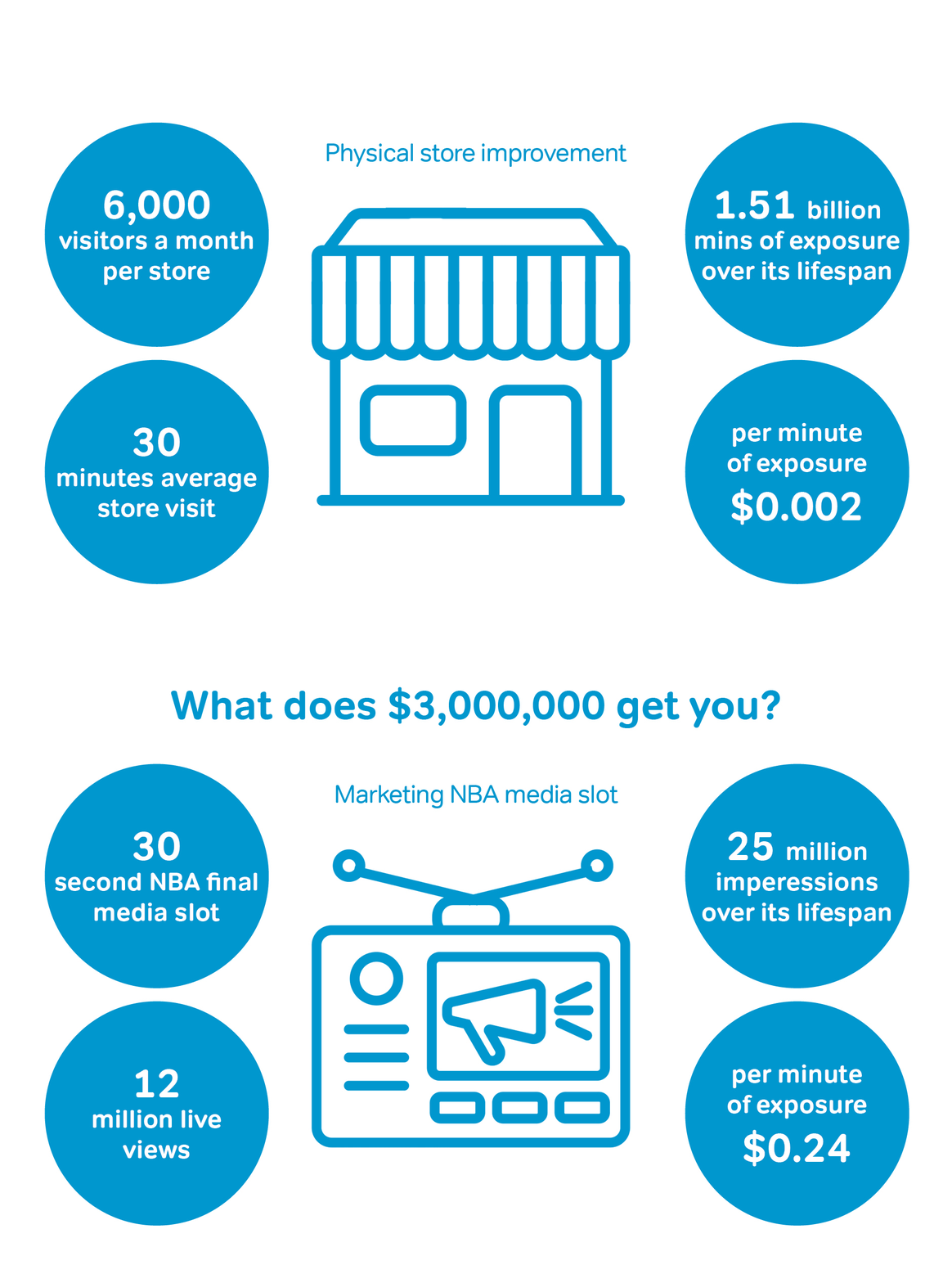
Now, let’s add another layer. Say your ad also makes the rounds online, amassing views on social media, it might collect another 10 million views, totalling 25 million impressions over its lifespan. Yet, even the most iconic ads have a finite shelf life. Consider Apple’s legendary 1984 Super Bowl commercial by Ridley Scott, which has garnered around 2 million views across various streams. A later Apple Vision Pro ad has hit 40 million views, but such numbers are the exception, not the rule.
Contrast this with the humble physical store. Every visitor who walks in is there with intent—some level of brand familiarity or a specific purpose. They are not a random audience but a curated one, already predisposed to engage with your brand. The depth and quality of these interactions can far exceed those fleeting ad impressions, providing a richer, more tangible return on investment. With TV, each minute of exposure costs about $0.24. When you compare this to a similar investment in physical retail, the sustained, meaningful interactions in a store see a 120-fold advantage - a staggering difference!
Let’s take a step back from our specific ceiling example and broaden our perspective to the entire store environment. Imagine this: one of our clients recently spent over $100 million on media and advertising in a single year, spreading its message across every conceivable channel and medium. Now, let’s juxtapose this with the investment required for a 100-store national rollout—a similar budget.
Would the value and impact we demonstrated with our ceiling example translate when applied to a comprehensive new store concept and full-scale rollout? Maybe not a 120-fold difference, but it certainly reframes the conversation about physical retail investment and opens up the discussion around the profound, multifaceted impact a well-designed store can have, far beyond the fleeting impressions of a TV ad. This isn’t just about spending more; it’s about investing smarter and rethinking the context in which we measure value.


The Nuances of Experience: Short vs. Long Exposure
Here’s where it gets interesting. Short experiences, like TV ads, are designed for quick, high-impact impressions. They must deliver their message in a blink, relying on repetition to cement recall. In contrast, the extended, multi-sensory experiences offered in a physical store can foster deeper emotional connections and more complex interactions.
A TV ad may provoke an immediate emotional response, but its effect is ephemeral, and requires constant reinforcement. A store visit, however, allows for sustained engagement. Customers interact with products, absorb promotional messages, and engage with staff, creating a rich, multisensory tapestry of brand experiences. Typically, these are longer experiences that can foster deeper (emotional) connections that live with consumers for a longer period, something much harder to replicate in a 30-second spot.
The Final Thought: Reimagining Investment in Physical Retail
Ultimately, comparing an advert to a store experience is akin to comparing a sprint to a marathon. Both have their merits, but the nature and depth of engagement differ vastly. Investing in your store’s physical environment might not yield instant gratification, but it offers a profound, enduring impact that can transform customer perceptions and loyalty over time.
Shifting our focus from instant rewards to enduring benefits is an uphill battle against human instinct. This same dynamic unfolds in business when leaders allocate substantial budgets to short-term marketing campaigns over strategic, design-led initiatives aimed at sustainable growth and lasting value creation. We understand you can’t just find more money for a store fit, but shifting some marketing budget to physical retail could be the smart choice. The allure of quick wins can overshadow the potential for long-term prosperity and enduring customer relationships.



There are many different lenses and KPIs to consider when understanding why investing more in physical retail is invaluable. This shift from seeing the physical retail space purely as a sales channel to understanding its value as a brand ambassador is just one of the ways we believe senior leaders need to reevaluate their investment in the physical space. When we add metrics like Impressions, something often used to judge marketing exercises, to how we evaluate physical retail, it’s a game-changer. So, next time you are looking at budgets for a store fit, make sure to remember - enhancing your store environment isn’t just an expense; it’s a strategic investment in your brand’s future, delivering dividends in the form of loyal customers and sustained sales growth. And if you can convince your senior leaders of this, you might just find yourself spinning that straw into gold after all.
IMAGE CREDITS