

The best ideas in retail don’t come from retail — they come from everywhere else. They usually seep in quietly, from the edges of culture.
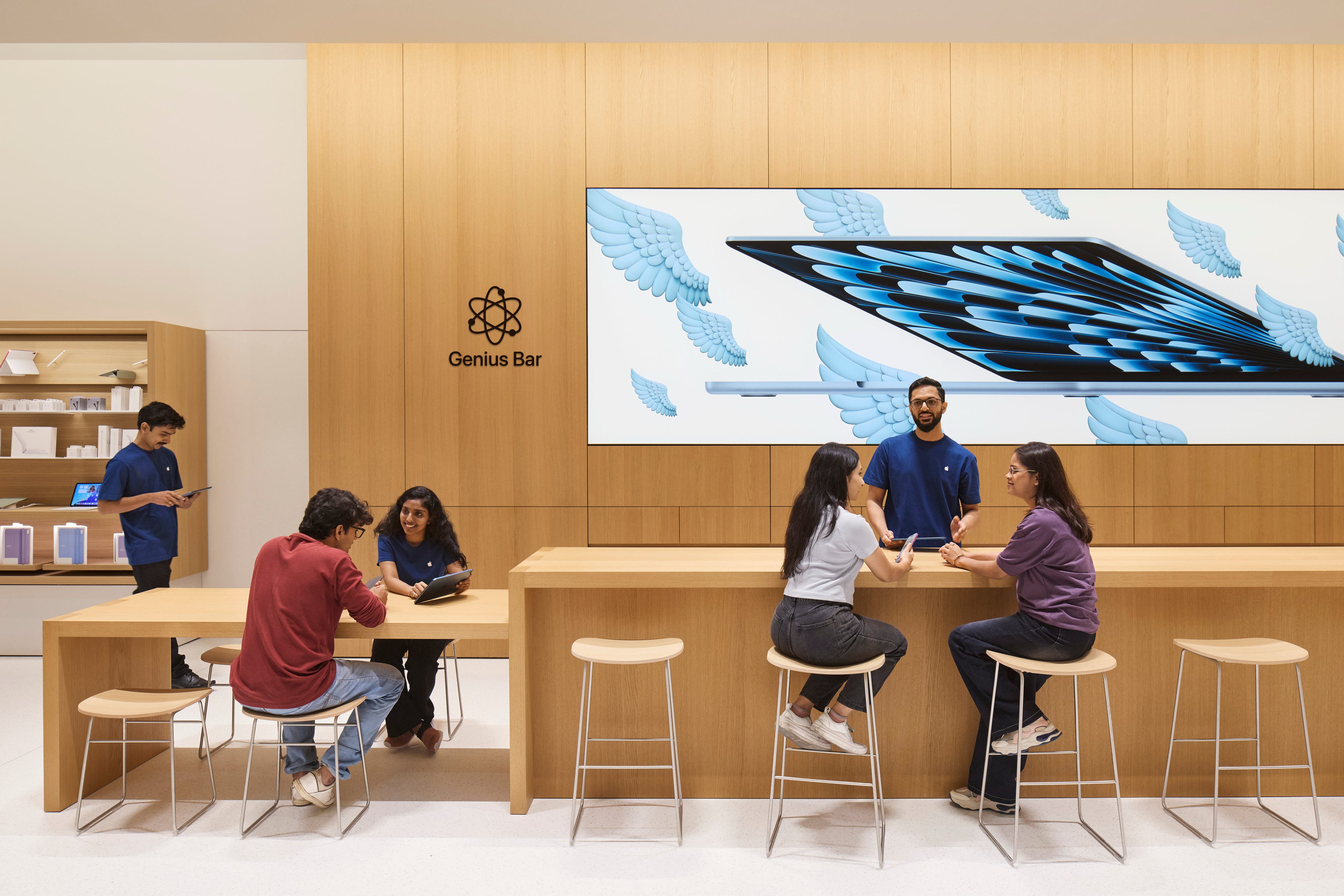
When Apple launched the Genius Bar, it wasn’t modelled on another tech store — it was inspired by the concierge desk at the Four Seasons. Steve Jobs wanted customers to feel cared for, not sold to. It borrowed its cues from care, not commerce — and that shift changed retail service forever.
When you only look within retail for inspiration, at what other retailers are doing, you don’t create something new, you just remix what’s already been done. That’s not creativity. That’s iteration.


Real breakthroughs happen when you take a step sideways —when you stop studying what retailers are doing and start paying attention to what people are doing.
As a designer, everything becomes raw material. A hospital waiting room. A packed stadium. A hotel lobby at midnight. Each reveals something about human behaviour that a shop floor never could —how people move, wait, belong, and believe.
From airports to libraries, from bars to museums, the best clues about how people connect are hiding in plain sight. Inspiration isn’t a lightbulb moment. It’s the slow drip of everyday observation, until, suddenly, the pattern snaps into view.
If you only look to retail for retail ideas, you’ll only ever see what’s already been done. Progress rarely comes from looking harder — it comes from looking sideways.
Do you have any favourite examples of when looking sideways led to something brilliant?