

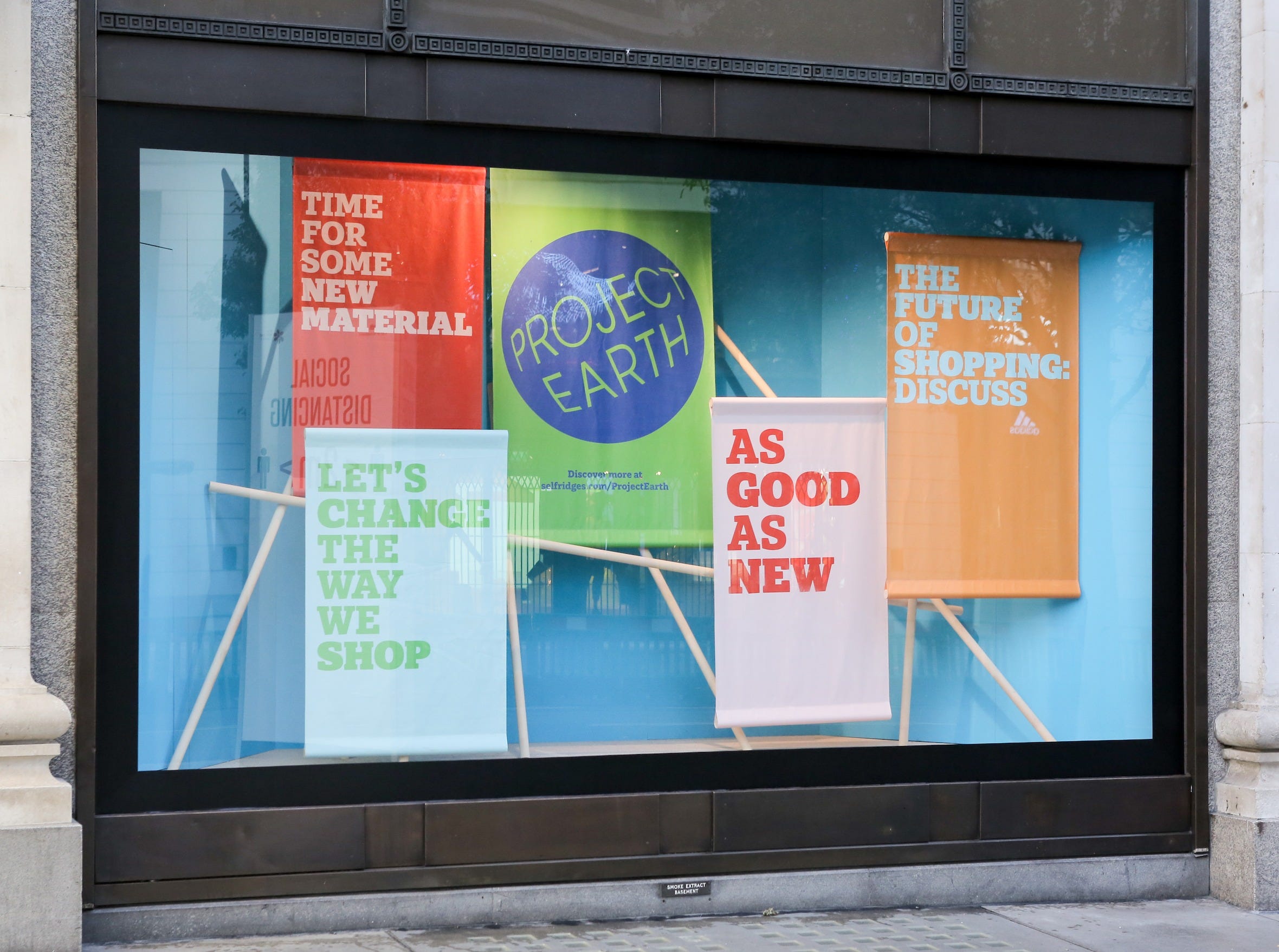
Consumers are holding themselves to a higher ethical standard, with more people trading their desire for convenience for a greater social cause. Sustainable products are gaining popularity despite their larger price tags. Alongside, we’re seeing segments of the population opt for brands with values that reflect their own and moving away from those that don’t hold these values. Overall, our collective consciousness towards more ethical purchasing and brand choice has grown.
Our financial insecurity has seen our budgets receiving just as much scrutiny as our purchasing ethics. The economic forecast means most consumers will be purchasing less and with much greater consideration. Getting great value has never been as important as it is today. With our purchasing decisions being over-researched and over-informed, consumers expect higher standards and better value from retailers and brands. With brand ethics feeding into consumers’ purchasing decisions, alongside a focus on tighter budgets, brands will have to work harder to secure customer loyalty.
Values not value
People are rethinking their whole reason for buying. ‘Do I really need it?’ ‘What is the greater impact of my purchase?’ Our purchasing motivation is shifting away from price toward aligning with brands that have strong ideals and are devoted to wider social causes. The traditional aspects of retail, such as a good product assortment, convenient delivery and great customer service, are no longer enough to differentiate a brand. Consumers are searching for brands with which they share common ground. Brand values will become one of the most important aspects of consumers’ purchasing decisions.


Shopping by social cause
Increasingly, brands are being judged by the social causes they support - inclusion and diversity, sustainability or fair trade, as well as staff treatment. It is only a matter of time until the notions of a ‘good business’ and an ‘ethical brand’ merge into one. Can segmentation by social causes be manifested in a physical retail space? In the future, we might see department stores with product zones based on brand values. Imagine products segmented by sustainability or by how much of a brand’s profits go to charity. Perhaps deciding what social causes a brand supports is the ultimate form of brand equity, with the most valuable customers extracting the most social value.


Immersed in values
Today’s parameters of social significance: sustainability, environmental impact, cultural diversity and inclusion, to name but a few, are only becoming more common and more overt. Although product price will always be a driving factor in purchase decisions, a brand’s ability to have a personality and take a stance on social issues has risen up the consumer priority list. If these brand viewpoints and corporate strategies factor heavily in our purchasing decisions, then it makes sense that this information is readily available to consumers.
When we view a product in-store, alongside the product features and benefits being displayed, a brand’s affiliation with a social cause should be included in the information communicated. What was the environmental cost of manufacturing? Or what is the gender wage disparity of the company? Customers will want this information to be prevalent at the point of purchase, not something they research before or discover after their purchase. A brand’s values need to be interwoven into everything, and retailers need to start using their stores to tell stories beyond the products and services. It helps ensure that customers feel that they made the right choice.


Our purchasing decisions will be determined by a brand’s values and ethics. We spend our money more carefully while also believing we can make social changes through our support for the brand. Retail needs to communicate the more intricate personality of modern brands. Business values need to be immersive experiences usually reserved for products, because brand personality sells. Social causes are becoming an increasingly important factor in consumer decision-making, and these stories need to be communicated at every moment along the pathway to purchase, including within the store environment.