

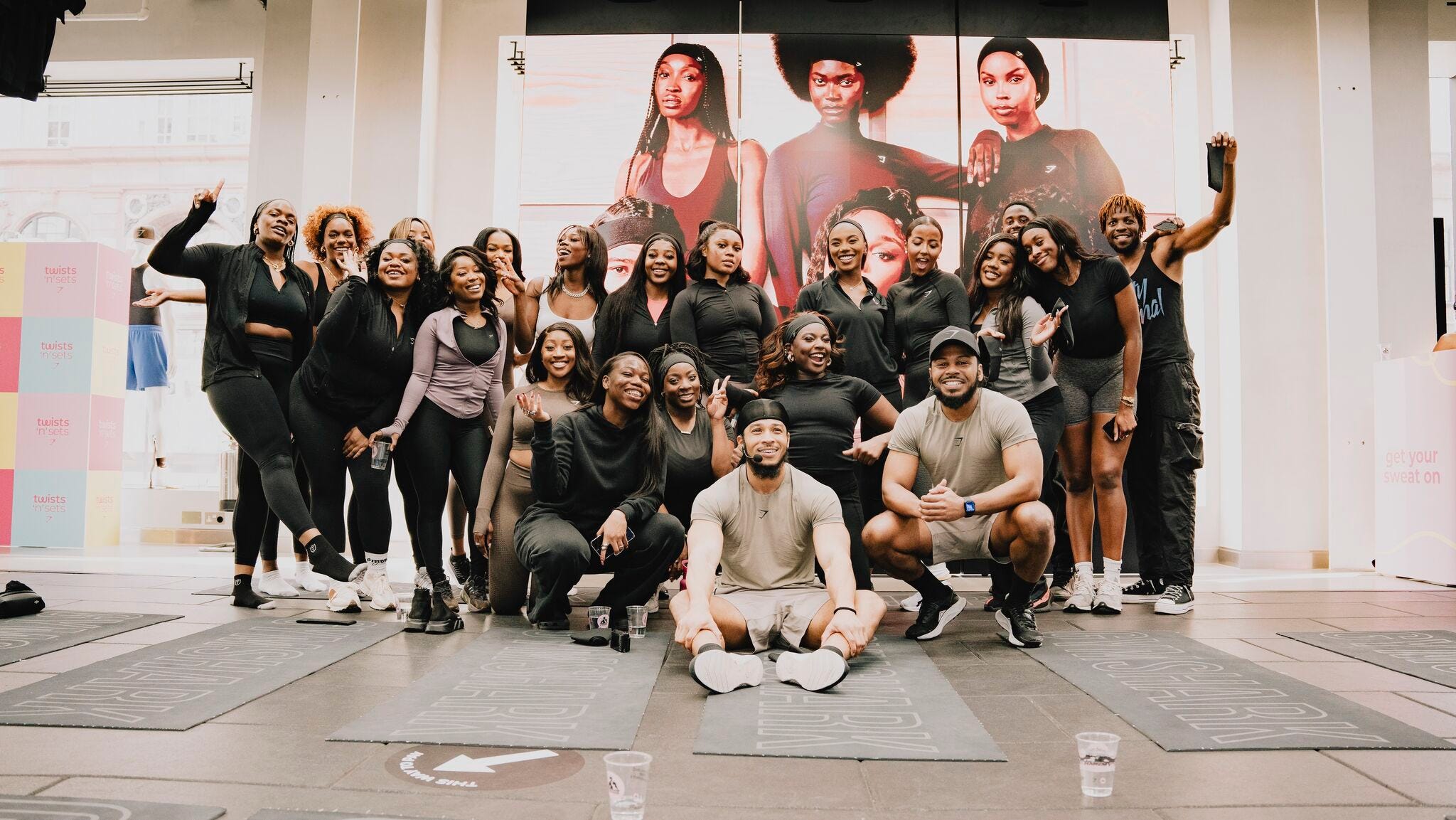
For years, we were told happiness was something you could buy — a better salary, a nicer flat, even a coffee machine that costs more than your first car. But the data tells a different story. The strongest predictor of long-term wellbeing is the quality of our social relationships (OECD, 2023). And loneliness is now so widespread that the WHO classifies it as a public health concern, increasing mortality risk at levels comparable to smoking fifteen cigarettes a day.
Loneliness is rising fastest among young adults and hybrid workers. In the UK, 1 in 4 people aged 18–24 report feeling lonely ‘most of the time’ (ONS, 2023). People don’t need more places to go. They need places where they feel known.
This isn’t just human. It’s commercial.
When people feel they belong, behaviour changes. The International Council of Shopping Centers reports that emotionally connected customers visit 3x more often and stay up to 2x longer. MIT research shows that shared social experience increases habitual return behaviour. And word-of-mouth — still responsible for 20–50% of all purchase decisions — becomes a natural by-product, not one that’s engineered.
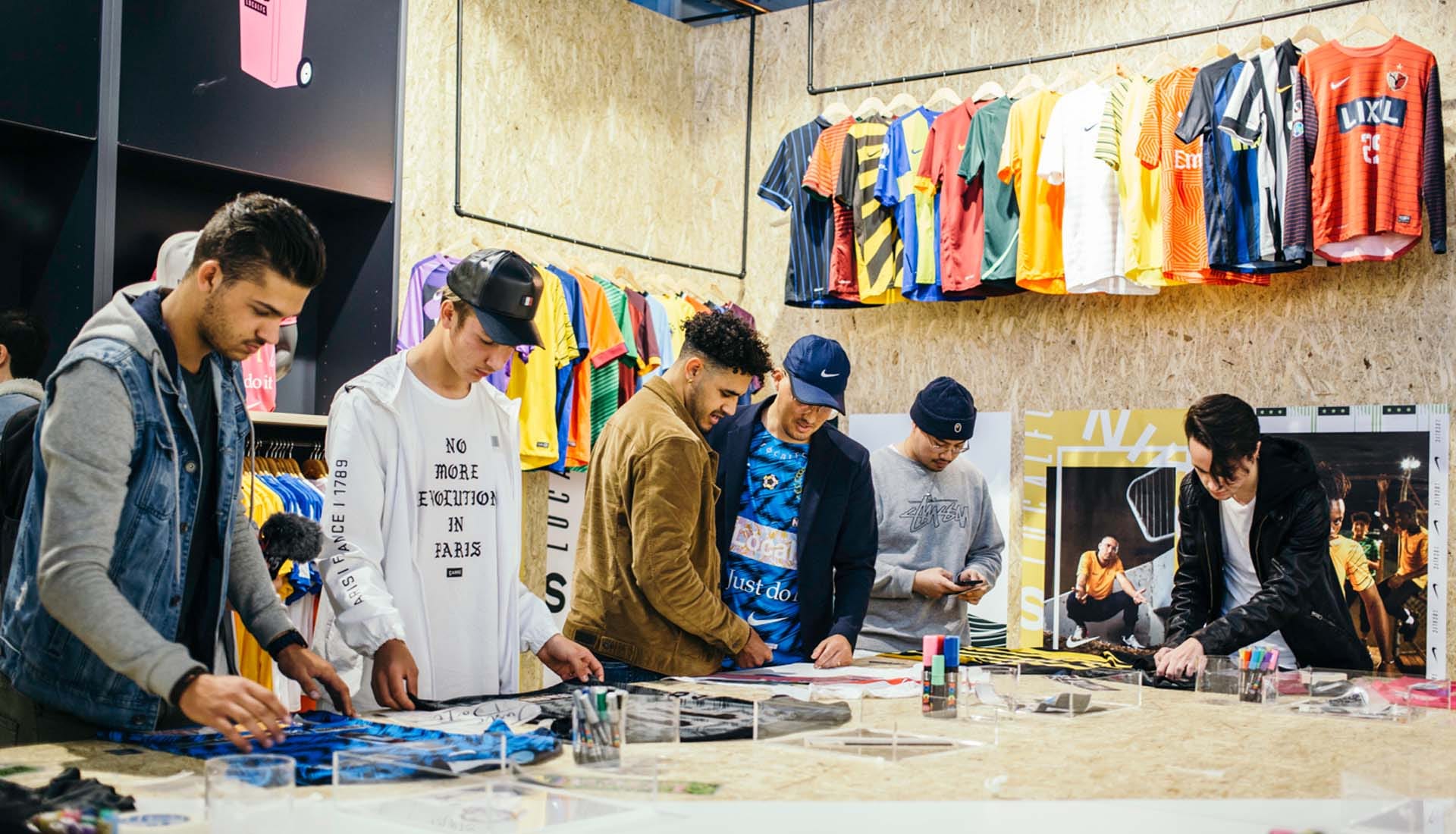
This is where physical retail has a unique advantage: presence. Digital channels can deliver convenience, but only physical space creates the conditions for belonging — familiarity, recognition, shared moments. Yet most stores are still designed for transactions, not relationships. And the outcome is predictable: declining footfall, eroding margins, and endless promotions just to stay afloat.
The retailers who will win the next decade are those who design belonging intentionally — spaces where lingering feels normal, staff act as hosts, and a return visit feels like coming back, not starting again.
In a world of infinite choice, belonging is the advantage that can’t be copied.


